 Dr Christophe CourtinHealthFerm Project Coordinator Katholieke Universiteit Leuven
Dr Christophe Courtin
HealthFerm Project Coordinator Katholieke Universiteit Leuven
Day 1 at 9:00 - Opening Remarks & Project Introduction
Day 2 at 9:00 - Opening Remarks
Session: Day 2 at 15:35 - Session 6: Research, Industry & Policy Pathways for Fermented Foods
Title: Research Hurdles & Prospects
 Dr Nicholas BokulichAssistant ProfessorETH Zürich
Dr Nicholas Bokulich
Assistant Professor ETH Zürich
Session: Day 1 at 9:25 - Session 1: Microbial Diversity & Functional Design for Next-generation Fermentations
Title: Food Fermentation Microbiomes: A Blueprint for Designing Foods of the Future
Biography: Nicholas A. Bokulich is an Assistant Professor at ETH Zurich, Switzerland, and the head of the Laboratory of Food Systems Biotechnology. He earned his PhD at the University of California, Davis, followed by postdoctoral research at New York University Medical Center and Northern Arizona University prior to starting his group at ETH Zurich in 2020. The Bokulich lab develops and uses computational and experimental “omics” approaches for studying microbial ecosystems at the interface of foods and human health, with the aim of establishing a predictive understanding of how complex communities develop and interact with each other and their host environment.
 Dr Stefan WeckxAssociate ProfessorVrije Universiteit Brussel
Dr Stefan Weckx
Associate Professor Vrije Universiteit Brussel
Session: Day 1 at 9:25 - Session 1: Microbial Diversity & Functional Design for Next-generation Fermentations
Title: How genomics can support improved starter culture selection.
Biography: Stefan Weckx is associate professor at the Vrije Universiteit Brussel, Brussels, Belgium. His research deals with the application of omics technologies, i.e. (meta)genomics and (meta)transcriptomics, and related bioinformatics analyses, on fermented food ecosystems and promising strains isolated thereof, to allow for an in-depth investigation of the microorganisms involved in view of the formulation of well-composed functional starter cultures. The fermented foods under study include cocoa, sourdough, water kefir, and lambic beers
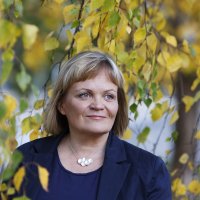 Dr Kati KatinaProfessorUniversity of Helsinki
Dr Kati Katina
Professor University of Helsinki
Session: Day 2 at 09:05 - Session 3: Fermentation Research in Europe
Title: Fermentation Induced Changes in Plant Based Raw Materials – Possibilities and Challenges
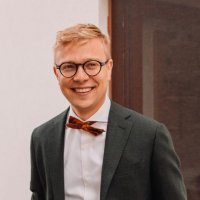 Dr Arno WoutersAssistant ProfessorKatholieke Universiteit Leuven
 Dr Arno Wouters
Assistant Professor Katholieke Universiteit Leuven
Session: Day 2 at 09:05 - Session 3: Fermentation Research in EuropeTitle: Utilising the Potential of Oats Through Fermentation Technology
Biography: Arno Wouters is associate professor at the Laboratory of Food Chemistry and Biochemistry. His research focuses on the extraction, characterisation and functionalisation of plant-based proteins. In the HealthFerm project, he is deputy leader of work package 2 and task leader for task 2.1.
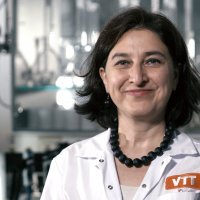 Dr Nesli SözerProfessorVTT Technical Research Centre of Finland
Dr Nesli Sözer
Professor VTT Technical Research Centre of Finland
Session: Day 2 at 9:05 - Session 4: Innovative Fermentation Technologies for Plant-Based Foods
Title: Hybrid Processing Approaches for Meat Biomimetics
Biography: Professor Nesli Sozer is an internationally recognised expert in food processing with over 25 years of experience. Her work centers on plant-based foods and dietary fibers, resulting in numerous patents, awards and commercially successful innovations. One of her patented technologies helped launch the spin-off company Happy Plant Protein, which develops sustainable, high-quality plant protein solutions. Throughout her career, she has focused on advancing affordable, nutritious and sensory-appealing plant-based food systems. At VTT, Professor Sozer leads major interdisciplinary research initiatives, including the Global Centre for Food Innovation and Diversification to Advance the Bioeconomy, co-funded by the National Science Foundation, Business Finland, and the Research Council of Finland. This programme explores hybrid food innovations by integrating plant-based and cellular agriculture technologies to bridge sensory and nutritional gaps between plant- and animal-based foods. She also coordinates the EU-funded Sustain-a-Bite project, which develops resource-efficient, minimally processed technologies for nutrient-rich plant-based foods. Professor Sozer previously served as Chair of the Healthgrain Forum (2019–2024), promoting science-based strategies to enhance the health potential of grain-based foods. She also leads efforts funded by the Nordic Council of Ministers to build the Nordic Alternative Protein Knowledge and Innovation Network and contributes to the EIT Food Protein Diversification Think Tank. Her career continues to shape the global future of sustainable, nutritious and accessible food systems.
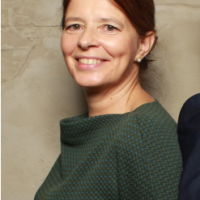 Dr Kristin VerbekeProfessorKatholieke Universiteit Leuven
 Dr Kristin Verbeke
Professor Katholieke Universiteit Leuven
Session: Day 1 at 13:45 - Session 2: Fermented Foods, Gut Microbiota & Human Health
Title: Health Benefits of Fermentation-Driven Changes in Plant Fiber Structure
Biography: Kristin Verbeke graduated as a pharmacist from KU Leuven, Belgium, in 1991 and obtained a PhD in Pharmaceutical Sciences in 1995. In 2002, she started her own research group at the Department of Gastroenterology of the Medical Faculty of the Leuven University. Her team has developed advanced analytical techniques using mass spectrometry and stable isotope technologies to study intestinal metabolism and function in humans, including transit time, intestinal permeability, carbohydrate fermentation, protein fermentation, metabolome analysis. Her research focusses on microbial metabolism in the human colon. By designing dietary interventions that target the gut microbiota - such as prebiotics, probiotic or dietary fiber - she aims to elucidate how microbial metabolism influences host health. A key area of her research is the production, kinetics and physiological effects of short chain fatty acids, particularly their role in microbiota-gut-brain communication and on metabolic health.
 Dr Rikard LandbergProfessor Chalmers University of Technology
Dr Rikard Landberg
Professor Chalmers University of Technology
Session: Day 1 at 13:45 - Session 2: Fermented Foods, Gut Microbiota & Human Health
Title: Fermented Plant-Based Foods and Cardiometabolic Health: Does Fermentation Matter?
Biography: Rikard Landberg is Professor of Food and Health and heads the Division of Food and Nutrition Science at Chalmers University of Technology. He is also Visiting Professor at the Wallenberg Laboratory, University of Gothenburg. His multidisciplinary research focuses on plant-based diets, bioactive food components and dietary patterns in relation to cardiometabolic disease and gut health. He has led more than 15 randomized controlled trials involving over 2,000 participants and currently coordinates large-scale personalised nutrition studies, including the SCAPIS2-HOME trial within the national SCAPIS cohort. Prof. Landberg has published over 240 peer-reviewed papers, is Editor-in-Chief of Nutrition Journal. He is an elected member of the Royal Swedish Academy of Sciences and of the Royal Swedish Academy of Engineering Sciences.
 Dr Armando Perez-CuetoProfessorUmeå University
Dr Armando Perez-Cueto
Professor Umeå University
Session: Day 2 at 13:30 - Session 5: Consumer Insights, Behaviour & Policy Pathways for Fermented Foods
Title: Comprehensive Lessons from Consumer Studies on Plant-Based Fermented Foods
 Dr Riitta PartanenHead of ResearchValio
Dr Riitta Partanen
Head of Research Valio
Session: Day 2 at 09:05 - Session 4: Innovative Fermentation Technologies for Plant-Based Foods
Title: Expending from Dairy to Alternatives - An Industrial Research Perspective
Riitta Partanen is an experienced research leader and expert in food technology, currently serving as Head of Research at Valio. She holds a DSc (Tech) in Bioprocess Engineering from the Helsinki University of Technology and the title of Docent in Food Technology at the University of Helsinki.
Her scientific background is in food materials science, with a strong focus on dairy and cereal systems. At Valio, she is responsible for overseeing the company’s research project portfolio and serves as Project Manager for Food 2.0, a flagship initiative (2024–2028) aimed at driving the sustainability transformation of the Finnish food system.
 Dr Maria MarcoProfessorUC Davis
Dr Maria Marco
Professor UC Davis
Session: Day 1 at 11:00 - Session 1: Microbial Diversity & Functional Design for Next-generation Fermentations
Title: Should we be eating more microbes?
Biography: Dr. Maria Marco is a Professor in the Department of Food Science and Technology at the University of California, Davis. She earned her PhD in Microbiology at the University of California, Berkeley and completed her postdoctoral training at Wageningen University and NIZO food research in the Netherlands. Dr. Marco started her lactic acid bacteria and gut health laboratory at the University of California, Davis in 2008 focusing on fermented foods, probiotics, and dietary modulation of the gut microbiome. Dr. Marco’s research integrates microbiome science, microbial genetics and ecology and gastrointestinal physiology to investigate microbial effects on human and animal health. She has authored more than 135 peer-reviewed publications and leads multidisciplinary research projects funded by national and international agencies. She founded the ongoing Gordon Research Conference series on Lactic Acid Bacteria. Dr. Marco is a member of the HealthFerm External Experts Panel and has held numerous other scientific advisory roles for academic, foundation, and industry programs. She is currently the President of the International Society of Probiotics and Prebiotics (ISAPP) and was recently inducted as a Fellow of the American Academy of Microbiology.
 Dr Rossana CodaLecturerUniversity of Helsinki
Dr Rossana Coda
Lecturer University of Helsinki
Session: Day 1 at 9:25 - Session 1: Microbial Diversity & Functional Design for Next-generation Fermentations
Title: From Microbial Diversity to Function: Starter Cultures for Plant-Based Fermentations
Biography: Rossana Coda is a university lecturer researching microbial biotechnologies for sustainable food systems. Her work focuses on harnessing microbial metabolism to enhance the nutritional value, functionality and processing performance of foods, especially plant-based products. She studies food microbiota in both traditional and novel fermentations, including strategies to produce bioactive compounds and reduce anti-nutritional factors.
 Dr Maxime MichaudResearch Group Leader Social ScienceCentre de Recherche Institute Lyfe
Dr Maxime Michaud
Research Group Leader Social Science Centre de Recherche Institute Lyfe
Session: Day 2 at 13:30 - Session 5: Consumer Insights, Behaviour & Policy Pathways for Fermented Foods
Title: Understanding Fermentation Behaviour and Acceptance: outputs from a socio-anthropological approach and its complementary nature with behavioural and economical approaches
Biography: Maxime Michaud is a socio-anthropologist, Research Group Leader at Institut Lyfe Research & Innovation Centre. His work focuses on social and cultural dimensions of food transitions, with mainly qualitative approaches. He is especially interested in the social conditions of the acceptance of food products and practices, and in the evolution of social relations around meals (commensality) and food in general.
Within the project Healthferm, he is deputy leader of the work package 4, focusing on consumer behaviour and acceptance of plant-based food products.
 Dr Marjukka KolehmainenProfessorUniversity of Eastern Finland
Dr Marjukka Kolehmainen
Professor University of Eastern Finland
Session: Day 1 at 13:45 - Session 2: Fermented Foods, Gut Microbiota & Human Health
Title: Learnings on the health impact of plant based fermented foods in humans – can protein-fibre interaction in plant foods contribute to the health impact?
Description: Nutritious plant based option are urgently needed to partly replace animal based foods. However, the digestibility of the nutrients from plant based foods might be hindered by the plant cell structures and attached compounds. Thus, we need also innovative technologies to improve the bioavailability if nutrients from these sources. Fermentation might provide such a technology, but the scientific evidence is still scarce. Within HealthFerm project we conducted two intervention studies investigating the health impact of plant based fermented dairy and meat alternatives, and their potential to support cardiometabolic health and wellbeing. In this presentation, the main findings will be discussed.
Biography: Main expertise is within health effects of diets, foods and food components in humans in short and long term human interventions for over 25 years. Main scientific interest has been in the health effects of foods, food components and structures, especially in whole grain cereals, plant based proteins and berries from molecular level to whole body physiology, especially in their effects on inflammation, and more recently on gut microbiota and gut barrier function, and on gut-brain axis and gut-liver axis.
 Dr Paul CotterHead of Food BiosciencesTeagasc
Dr Paul Cotter
Head of Food Biosciences Teagasc
Session: Day 1 at 16:15 - Session 3: Fermentation Research in EuropeTitle:Microbiota, Health, Fermented Foods
Biography: Prof. Paul Cotter is the Head of Food Biosciences at Teagasc (the Irish Agriculture and Food Development Authority), is a Principal Investigator with the large Irish Research Centres, APC Microbiome Ireland, VistaMilk and Food for Health Ireland and head of microbiology/co-founder of SeqBiome Ltd., a microbiome sequencing and bioinformatics service provider. He is a molecular microbiologist, with a particular focus on the microbiology of foods (especially fermented foods), the food systems and of humans, as well as probiotics and postbiotics. Prof. Cotter is the author of >450 peer-reviewed publications, was included in the Clarivate list of highly cited researchers for 2018-2025, received an honorary doctorate from the University of Antwerp in 2024 and is the Field Chief Editor of Frontiers in Microbiology.
 Dr Jeroen RaesProfessorKatholieke Universiteit Leuven
Dr Jeroen Raes
Professor Katholieke Universiteit Leuven
Session: Day 1 at 13:45 - Session 2: Fermented Foods, Gut Microbiota & Human Health
Title:The Human Gut Microbiome: Variation, Diagnostics and Modulation
Description: Alterations in the gut microbiota have been linked to various pathologies, ranging from inflammatory bowel disease and diabetes to cancer. Although large numbers of clinical studies aiming at microbiome-based disease markers and targets are currently being performed, we are remain limited in our basic understanding about the normal variability and functioning of the human intestinal microbiota – and how to convert this knowledge in effective modulation strategies. Here, I will present our work in cross-sectional and longitudinal population cohorts investigating the variability of the microbiome and its relation with host physiology, diet and life habits. I will cover observational and interventional clinical studies that explore the potential of microbiome profiling as (companion) diagnostics. Finally, I show how a combination of human intervention trials and in vitro microbiology allow breaking up the microbiome black box and open up the path towards targeted microbiota modulation.
Biography: Prof. Jeroen Raes (m) is full professor at the KU Leuven Rega Institute and group leader and vice director at the VIB Center for Microbiology and VIB.AI. His group consists of ±30 scientists, with expertise in bioinformatics, systems biology, clinical research and microbiology. He has a substantial track record in microbiome research and has been pioneering the analysis and integration of meta-omics data with environmental, clinical, host omics and dietary data. He was involved in the FP7 MetaHIT and NIH Human Microbiome Project (the latter as only European partner), which laid the foundations for the human microbiome field as it is today. His lab combines human intervention studies, bioinformatics/AI and in vitro microbiome studies to study the functioning of the gut microbial ecosystem in health and disease (a.o. IBD, cancer, IBS and depression) and develops novel approaches and tools for microbiome diagnostics and modulation. Jeroen Raes coordinates the Flemish Gut Flora project, a large-scale microbiome- focused population cohort in Belgium. He has received multiple awards and recognitions, among which a selection as FWO Odysseus Fellow, a Francqui Chair and selection for Cell journal’s “40 under 40” promising young scientists. His 2011 paper in Nature was selected by Science as part of their “Top 10 breakthroughs of the year 2011”.
Jeroen Raes has published >300 papers in top ranking journals such as Science (8), Nature (16), Cell (5), Nature Medicine (3), Nature Biotechnology (4), Nature Microbiology (10), Nature Aging (1), Nature Reviews Microbiology (5) and Gut (17). He has an h-factor of 128 and his work has been cited > 135.000 times (Google Scholar).
 Dr Michael Bom FrøstAssociate Professor - Design and Consumer BehaviorUniversity of Copenhagen - Department of Food Science (UCPH FOOD)
Dr Michael Bom Frøst
Associate Professor - Design and Consumer Behavior University of Copenhagen - Department of Food Science (UCPH FOOD)
_Session: Day 2 at 13:30 - Session 5: Consumer Insights, Behaviour & Policy Pathways for Fermented Foods
Title: From Expectations to Experience - How tasting fermented plant-based foods shapes consumption intentions
Description: Increasing consumption of plant-based fermented foods (PBFF) is beneficial for both public health and environment, yet intake among Western meat-eaters remains low. This study examined how sensory exposure to PBFF (sourdough bread, plant-based fermented dairy and meat alternatives), the timing of sensory exposure, and expected and actual liking influence intentions to increase PBFF consumption, and whether food neophobia moderates these effects. Data were collected over three weeks via an online pre-survey (n = 143), a laboratory experiment (n = 143), and an online post survey (n = 127). In the laboratory, participants were randomly assigned to either report their consumption intentions before tasting PBFF (n = 70) or after tasting FPBF (n = 73). Results showed that tasting PBFF attenuated the negative association between food neophobia and intention to increase consumption of PBFF. Patterns in the data suggested that intentions shifted at the first measurement following sensory exposure: participants who tasted before reporting intentions, changed intentions in the laboratory, whereas for those who reported intentions prior to tasting, changed intentions at follow-up. Product-specific patterns were observed: tasting increased intentions for the well-liked sourdough bread, but decreased intentions for the lesser-liked plant-based fermented meat. Sensory liking of the specific PBFF product was the strongest predictor of intentions for sourdough bread and plant-based fermented dairy, beyond expectations, whereas effects for plant-based fermented meat were weaker and less consistent. These findings highlight the importance of positive sensory experiences in shaping intentions to increase consumption of plant-based fermented foods, particularly among more food-neophobic meat-eaters.
Biography: Michael is associate professor in Food Sensory Innovation at University of Copenhagen. His research builds new knowledge in the cross-section between sensory science, food innovation and consumer choice. His research interest is particularly to understand how we come to appreciate novel foods such as plant-based foods and novel fermented foods. With knowledge of factors that shape our appreciation, we can create new and innovative foods that change the way the world eats in favour of diversity and sustainability.
 Antonio Del CasaleCo-founder & CEO MICROBION - Microbiology Open Innovation
Antonio Del Casale
Co-founder & CEO MICROBION - Microbiology Open Innovation
Session: Day 2 at 15:35 - Session 6: Research, Industry & Policy Pathways for Fermented Foods
Title: Boosters and Hurdles towards innovation in Fermented Foods
Description: The COST Action PIMENTO CA20128 is structured around three core Working Groups: WG2 “Cartography of Fermented Foods in COST Countries”, WG3 “Health Benefits and Risks of Fermented Foods”, and WG4 “Federating Scientists and Fermented Food Producers to Boost Innovation for Society.”
WG4 focuses on identifying the key bottlenecks limiting innovation in fermented foods, including regulatory, safety and technological challenges. This presentation will share insights into the main barriers identified, such as EU Novel Food regulatory constraints, the need for rapid and affordable safety assessment tools for new strain–substrate combinations, and the limited availability of pilot-scale equipment and technology transfer services for SMEs.
The talk will explore both the hurdles and the boosters needed to accelerate innovation in fermented foods, highlighting the importance of multidisciplinary expertise and stronger collaboration between industry and research. To unlock the full potential of fermented foods, we must move from fragmented efforts to a federated ecosystem, bringing together researchers, producers, technology providers and innovators to build a shared platform for collaboration, advocacy and systemic growth. By federating expertise, infrastructures and ambitions, we can give the EU fermented food sector a stronger collective voice and create the conditions for a new wave of innovation.
Biography: Antonio Del Casale is a biotechnologist and Co-founder & CEO of MICROBION, a contract research organisation specialising in microbiology for the agri-food and nutraceutical sectors. He graduated from the University of Verona, where he also worked as a Research Fellow in Technology Transfer and gained international experience at the Queen’s University Belfast, ENEA, and the University College Cork.
Through MICROBION, Antonio supports companies developing and manufacturing microbial cultures for agri-food applications, as well as industries using microorganisms in food fermentation and many product formulation, form agriculture inputs to probiotics. He served as co-leads Working Group 4 of the EU COST Action PIMENTO, “Promoting Innovation of Fermented Foods,” where he contributed connecting scientists and fermented food producers to boost innovation for society.
 Dr Dennis Sandris NielsenProfessor - Head of Section for Food Microbiology, Gut Health and FermentationUniversity of Copenhagen - Department of Food Science
Dr Dennis Sandris Nielsen
Professor - Head of Section for Food Microbiology, Gut Health and Fermentation University of Copenhagen - Department of Food Science
Session: Day 2 at 11:00 - Session 4: Innovative Fermentation Technologies for Plant-Based FoodsTitle: Non-Sour Fermentations in Plant-Based Foods
 Dr Stéphane ChaillouResearch Director at MICALIS InstituteINRAE, France
Dr Stéphane Chaillou
Research Director at MICALIS Institute INRAE, France
Session: Day 1 at 16:15 - Session 3: Fermentation Research in Europe
Title: Design of Microbial Solutions for Sustainable and Healthy Fermented Food in Europe: perspectives & challenges illustrated by the DOMINO project
Biography: Stephane Chaillou is a research director at MICALIS Institute, INRAE, Jouy-en-Josas, France. He is the head of the Food Microbial Ecology research group and also teaches microbiome sciences at Université Paris-Saclay. His research focuses on genomics of food-borne bacteria and on the role of microbial diversity in food microbial ecology. One of his strategies is to implement statistical and bioinformatic analysis of large sampling survey for describing diversity of food microbiomes. He is also using the prediction of microbiomes fluxes along the food chain to assess food health and sustainability issues link to microbiomes such as food spoilage, bio-preservation or fermentation. More recently, he set up new research activities to understand metabolic interactions in foods using synthetic ecology strategies, in particular for understanding the interactions between food and human microbiomes in a nutrition and health perspective. Since March 2023, Stéphane coordinates DOMINO, a Horizon Europe project with 19 partners.
 Silvia CeraDoctoral Researcher
Silvia Cera
Doctoral Researcher
Session Day 2 at 11:00 - Session 4: Innovative Fermentation Technologies for Plant-Based Foods
Title: Designed fermentation processes for healthy and appealing oat products
Biography: Silvia Cera is a doctoral researcher at the Department of Food and Nutrition of the University of Helsinki. Her research focuses on oat fermentation processes for developing food products with improved texture, nutritional profiles and enhanced flavour. She has contributed to the OATS project (2021–2022), the SPC Sourdough in Nordic Style Breads (2022–2023), and the HealthFerm project (2022–present). Silvia has participated in several international conferences, presenting her findings to the scientific community. She has authored three papers, co-authored two papers, and contributed five chapters to a methods book developed within the HealthFerm project consortium.
 Arturo TurillazziPhD CandidateUmeå University - Department of Food, Nutrition and Culinary Science
Arturo Turillazzi
PhD Candidate Umeå University - Department of Food, Nutrition and Culinary Science
Session: Day 2 at 13:30 - Session 5: Consumer Insights, Behaviour & Policy Pathways for Fermented Foods
Pitch Title: Public Perceptions of Policy Strategies Supporting a Plant-Based Transition in Europe
Biography: Arturo Turillazzi, PhD candidate from the University of Umeå at the Department of Food, Nutrition and Culinary Science and a member of the Research Group Sustainable Food Transition. My academic background is multidisciplinary, focusing on sustainable food systems, and the key role the food we produce and eat every day can play in mitigating the effects of climate change. Currently, my research focuses on the role of foods made with alternative protein sources in a sustainable and healthy food transition and on how citizens can influence the EU food policy agenda.
 Stefan Cappelle Group Fermentation Director Puratos
Stefan Cappelle
Group Fermentation Director Puratos
Biography: Stefan graduated as Bio-engineer in 1996 at the UG on Industrial Microbiology and stayed at the lab till 1998 when joining Puratos in the R&D department for Sourdough. Promoted to Business Unit Director Sourdoughs and Grains in 2006 and lead the BU until the end of 2023 when he moved back into upstream research as group director on fermentation.
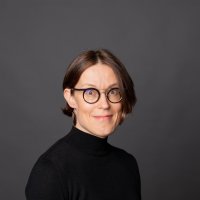 Dr Kati Hanhineva ProfessorUniversity of Turku - Department of Life Technologies
Dr Kati Hanhineva
Professor University of Turku - Department of Life Technologies
Session: Day 1 at 13:45 - Session 2: Fermented Foods, Gut Microbiota & Human Health
Title: Metabolomics in Fermentation Research
Description: Kati will cover the possibilities of metabolomics, especially non-targeted liquid chromatography-mass spectrometry-based approaches in profiling the modifications food fermenting microbes have on the biochemical composition of fermented foods. Likewise, she will discuss how these changes can be reflected in gut microbiota function and eventually human circulation with health consequences.
Biography: Kati Hanhineva is a professor in food development with special focus on nordic foods and health effects at the University of Turku, Department of Life Technologies, Food Sciences unit. Her research group's main focus is on the biochemistry of foods, especially phytochemical compounds, and the effect of food processing such as fermentation on their composition. Likewise, molecular-level understanding of the role of nutrition in maintaining good health, and food-microbiota interaction are within the core of the research. The key analytical technology at the different stages of research is the mass-spectrometry-based metabolomics analysis that her group has developed and utilized for various food and nutrition-related applications, in particular within projects related to the beneficial health effect of diets rich in plant-based food.
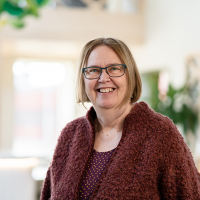 Dr Maud LangtonProfessorSwedish University of Agricultural Sciences
Dr Maud Langton
Professor Swedish University of Agricultural Sciences
Session: Day 2 at 09:05 - Session 4: Innovative Fermentation Technologies for Plant-Based FoodsTitle:Tempeh: Solid-State Fermentation for Healthier Foods
Biography: Maud Langton is Professor in Food Science -structure and properties at SLU- Swedish University of Agricultural Sciences at Department of Molecular Sciences. Her professional training is in applied physics –master and in chemistry – food science, with a PhD-degree on structure – function of biopolymer gels. She has decades of experience of structure-function relationship of food as well as hydrogels and emulsions. A specific interest has been food physics and designing microstructures with targeted properties. Her research focus on the creation of structures during growth and processing as well as break-down during consumption. ML is currently team-leader for SLU in the EU-projects HealthFerm. She is an elected member of the National Committee for Nutrition and Food Science at the Royal Swedish Academy of Sciences (KVA)
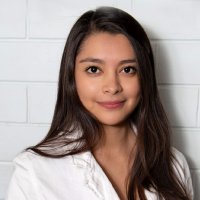 Gabriela Samaniego VinachiPhD StudentVrije Universiteit Brussel
Gabriela Samaniego Vinachi
PhD Student Vrije Universiteit Brussel
Session: Day 1 at 11:00 - Session 1: Microbial Diversity & Functional Design for Next-generation Fermentations
Pitch Title: From SNVs to function: integrating genomic variation and regulation for the selection of optimal starter cultures in food fermentations
Biography: Gabriela is a PhD researcher at the Vrije Universiteit Brussel, specialising in bioinformatics for genomics of microbial biodiversity, with a focus on its applications in fermented food systems. She is also a volunteer consultant for a UN-affiliated NGO, contributing to sustainable development projects across Latin America, with emphasis on ethical sourcing, natural materials and traceable production systems. She likes to focus her work connecting innovation, sustainability and natural resources for real-world impact.
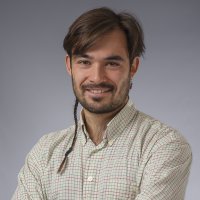 Maxence J.A. BlanchetPhD StudentResearch Institute Lyfe
Maxence J.A. Blanchet
PhD Student Research Institute Lyfe
Session: Day 2 at 13:30 - Session 5: Consumer Insights, Behaviour & Policy Pathways for Fermented Foods
Pitch title:Fermenting as a social practice
Biography: Maxence Blanchet holds an MSc in Food Science from AgroParisTech and an MSc in Social Sciences from Université Toulouse–Jean Jaurès. He is currently pursuing a PhD within HealthFerm, exploring people’s relationships with plant-based fermented foods, including practices, representations and values. His research covers both traditional practices and contemporary innovations across Europe, with a particular focus on France, Sweden and Hungary.
 Jan Patrick TanPhD StudentETH Zurich
Jan Patrick Tan
PhD Student ETH Zurich
Session: Day 1 at 11:00 - Session 1: Microbial Diversity & Functional Design for Next-generation Fermentations
Pitch title: The chemical diversity of cereal-based fermented foods through untargeted LC-MS metabolomics
Biography: Jan is a PhD student under the group of Laura Nyström at ETH Zürich. In his PhD, I integrate microbe and metabolite omics methods to dissect the chemical profile of cereal-based fermented foods and relate them to the microbiome, aiming to be able to predict food quality and possible health outcomes from fermented foods, strains and consortia.
 Riet RosseelPhD StudentKatholieke Universiteit Leuven
Riet Rosseel
PhD Student Katholieke Universiteit Leuven
Session: Day 1 at 15:55 - Session 2: Fermented Foods, Gut Microbiota & Human Health
Pitch title:Short-chain fatty acids: the site of administration matters
Biography: Riet Rosseel graduated with a Master’s degree in Biomedical Sciences from KU Leuven, Belgium, in 2022. Following graduation, she joined the Translational Research Center for Gastrointestinal Disorders (TARGID) at KU Leuven to pursue a PhD in Biomedical Sciences. Her research focuses on the kinetics, molecular mechanisms and cardiometabolic health effects of short-chain fatty acids in humans.
 Eline LambrechtsPhD StudentKatholieke Universiteit Leuven
Eline Lambrechts
PhD Student Katholieke Universiteit Leuven
Session: Day 2 at 11:00 - Session 4: Innovative Fermentation Technologies for Plant-Based FoodsPitch title:Innovative faba bean sourdough fermentation for the production of nutritious whole wheat bread.
Biography: Eline obtained a Bachelor’s degree in Bioscience Engineering in 2020, followed by a Master’s degree in Food Science. In September 2022, she started her PhD at the Laboratory of Food Chemistry under the supervision of Prof. Christophe Courtin. Her doctoral research is conducted within the HealthFerm project, where she is involved in Work Packages 2 and 3. Her research primarily focusses on oat-based food fermentations.
 Emma LemmensPhD StudentKatholieke Universiteit Leuven
Emma Lemmens
PhD Student Katholieke Universiteit Leuven
Session: Day 1 at 15:55 - Session 2: Fermented Foods, Gut Microbiota & Human Health
Pitch title:Investigating the effects of plant-based fermented foods on the gut microbiota by making use of an in vitro colon model
Biography: Emma is a first year PhD student at the Raes lab (VIB - KU Leuven Center for Microbiology), where she studies the effects of fermented foods on gut microbiota dynamics using a model system that mimics colonic fermentation. Before this, she graduated as a Msc in Biology at KU Leuven, during which she found her passion for microbiology and nutrition.
 Dr Guido Giudetti Project OfficerResearch Executive Agency of the European Commission (REA)
Dr Guido Giudetti
Project Officer Research Executive Agency of the European Commission (REA)
Session: Day 1 at 16:15 - Session 3: Fermentation Research in Europe
Title: Pathways for Post-Project Valorization and Mid-Term Impact in Horizon Europe
Biography: Dr Guido Giudetti is a Project Adviser at the European Commission’s Research Executive Agency (REA), where he manages a portfolio of EU-funded research projects under Horizon Europe (Cluster 6), including initiatives on food systems, One Health, and microbiome research. With over 20 years of experience in EU project and programme management, scientific research and policy support, he previously worked as a Project Manager at the Scuola Superiore Sant’Anna (Pisa), coordinating Horizon 2020 and national research projects in neural engineering, bioelectronic medicine and regenerative medicine, and as a Senior Scientist specialising in nanomedicine, neuroprostheses and neural regeneration. Earlier, he contributed to nanotoxicology and nanomedicine research at the European Commission’s Joint Research Centre (JRC) and held postdoctoral roles at the Italian Institute of Technology (IIT) and University of Pisa, where he investigated biomaterials, nanobiotechnology and developmental neurobiology. Guido holds a PhD in Molecular Biotechnologies and a Master’s in Biological Sciences (cum laude) from the University of Pisa. He is skilled in EU grant lifecycle management, open science policies, research integrity and multidisciplinary stakeholder engagement, combining scientific expertise with project administration to bridge research, innovation and policy.
 Chiara Viretto Postdoctoral researcherFree University Bozen
Chiara Viretto
Postdoctoral researcher Free University Bozen
Session: Day 1 at 11:00 - Session 1: Microbial Diversity & Functional Design for Next-generation Fermentations
Pitch title: Substrate-driven phenotype switching of Leuconostoc mesenteroides GSL1 from optimum to pulse-based food-like conditions
Biography: Chiara is a Postdoctoral researcher with a recently completed PhD in Food Engineering and Biotechnology. Her research focuses on the exploitation of microbial resources to develop innovative fermented foods and beverages, as well as sustainable solutions for by-product valorisation. Within the HealthFerm project, she contributes to the identification and characterisation of novel and existing microbial resources with high fermentation potential. She also supports the development of innovative fermented plant-based food prototypes with improved techno-functional, sensory and health-promoting properties through the application of fermentation biotechnologies.
 Léna ProchnowSenior Research and Impact ManagerEURICE GmbH
Léna Prochnow
Senior Research and Impact Manager EURICE GmbH
Session: Day 1 at 16:15 - Session 3: Fermentation Research in Europe
Title: Building on Success: The Next Chapter of the HealthFerm Community
Biography: Léna studied Engineering Sciences at École Centrale Paris and Medical Biotechnology at the Technical University of Berlin. She began her career as a Biotechnology Officer at the French Embassy and later worked as a Network and Innovation Manager for HealthCapital, the regional health cluster of Berlin-Brandenburg. Since joining the Eurice Berlin team in 2018, she has been supporting research consortia in developing successful proposals and impactful collaborative projects. A passionate networker, she draws on her international background and interdisciplinary expertise to connect partners, foster innovation, and transform ambitious ideas into promising research endeavours.
 Dr Raffaella Di CagnoProfessorFree University Bozen
Dr Raffaella Di Cagno
Professor Free University Bozen
Session: Day 2 at 09:05 - Session 3: Fermentation Research in Europe
Title:Unlocking the Potential of Pulses Through Tailored Fermentation and Criteria-Driven Starter Selection
Description: Pulses offer significant opportunities for developing sustainable and nutritious foods, but their wider use is often limited by antinutritional factors and sensory drawbacks. Through the screening and selection of HealthFerm lactic acid bacteria and yeast consortia, tailored fermentation strategies were developed for pulse-based beverages and sourdough breads. Optimised starter cultures improved fermentation efficiency, enhanced protein quality, reduced antinutritional compounds, increased bioactive phenolics, and generated more complex flavor profiles. These findings demonstrate how rational starter selection and tailored fermentation can unlock the nutritional and functional potential of pulses, supporting the development of next-generation fermented plant-based foods.
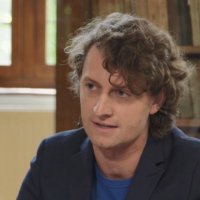 Dr Hans de SteurProfessorGhent University
Dr Hans de Steur
Professor Ghent University
Session: Day 2 at 13:30 - Session 5: Consumer Insights, Behaviour & Policy Pathways for Fermented Foods
Panellist at Panel: Consumer Acceptance of Plant-Based (Fermented)Foods
Biography: Prof. dr. Hans De Steur is associate professor at the Division of Agri-food Marketing & Chain Management, Department of Agricultural Economics, Ghent University, where he also co-leads the Food Market Research Hub. His main research expertise is situated in the field of agri-food marketing and agricultural/behavioral economics, with a focus on consumer, stakeholder and impact analysis of innovations and technologies in the agri-food sector, both in Europe and the Global South. He was and is involved in various research projects dealing with cross-cutting issues and multidisciplinary collaboration, with several projects focused on alternative proteins (e.g. Horizon2020-SMARTPROTEIN). He published over 160 peer-reviewed articles and is editor/board member for several journals. He is currently the main promotor (co-promotor) of 12 (6) PhD researchers and is involved as teacher in various courses and (international) programmes, including as ad-hoc teacher in other faculties and other countries (UK, Uganda, South Korea). More information at https://hansdesteur.weebly.com/ or https://research.ugent.be/web/person/hans-de-steur-0/projects/en.
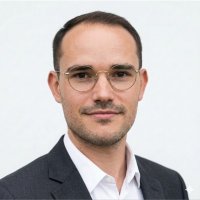 Dr Pierre-Mathieu PelissierPolicy Officer for BiotechnologiesEuropean Commission
Dr Pierre-Mathieu Pelissier
Policy Officer for Biotechnologies European Commission
Session: Day 2 at 15:35 - Session 6: Research, Industry & Policy Pathways for Fermented Foods
Title: Food2040 and the Future of Microbiome and Fermented Foods Research
Biography: Pierre-Mathieu Pélissier, Ph.D., is a Policy Officer for Biotechnologies at the European Commission, where he programmes Horizon Europe funding allocations for agri-food and biotechnology. Specialising in the commercial scalability and financing of deep-tech innovations, his experience spans EU strategy drafting, novel food venture evaluation, and industrial biotech technology transfer.
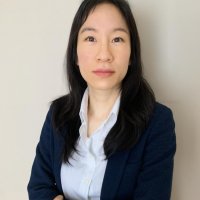 Dr Betty ChangResearch Area LeadEuropean Food Information Council (EUFIC)
Dr Betty Chang
Research Area Lead European Food Information Council (EUFIC)
Session: Day 2 at 13:30 - Session 5: Consumer Insights, Behaviour & Policy Pathways for Fermented Foods
Panellist at Panel: Consumer Acceptance of Plant-Based (Fermented)Foods
Biography: Betty specialises in consumer research at the European Food Information Council (EUFIC). EUFIC is a non profit organisation based in Brussels, whose main mission is to communicate with consumers about healthy and sustainable diets in an accessible way using science-based information. Betty has a background in social and cognitive psychology and conducts research on all things related to healthy and sustainable diets, including food waste. She is also the coordinator of the EU project Infoodmation, that looks at how governments, civil society and industry communicates with consumers about food via mainstream media, social media and marketing.
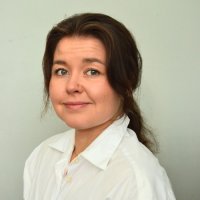 Vilma LiikonenDoctoral researcherUniversity of Finland
Vilma Liikonen
Doctoral researcher University of Finland
Session: Day 1 at 11:00 - Session 2: Fermented Foods, Gut Microbiota & Human Health
Pitch Title: Gut-related Health Effects of Oat-based Yogurt Alternative in Individuals with Increased Cardiometabolic Risk
Biography: Vilma Liikonen, MSc, is a doctoral researcher at the University of Finland, focusing on diet-gut-brain interactions. Her research investigates the effects of cereal-based foods on gut microbiota composition and related metabolic pathways using clinical intervention studies and multi-omics approaches. Her work aims to improve understanding of how cereal consumption modulates gut microbiota and host metabolism, and how processing of these foods, particularly fermentation, may influence the effects.
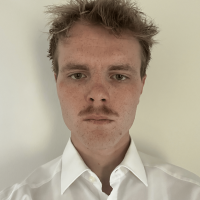 Jean-Paul Charles GarinPhd StudentUmeå University
Jean-Paul Charles Garin
Phd Student Umeå University
Pitch Title: Beyond the Prototype: How Meal Design Shapes Acceptance of Plant-Based Fermented Foods
Biography: Jean-Paul Garin is a PhD student at Umeå University within the EU HealthFerm project, focusing on consumer perceptions and acceptance of plant-based fermented foods. His work examines how people evaluate sustainability, trust, barriers, sensory perception, and willingness to adopt novel fermented products in the context of healthier and more sustainable dietary transitions. He uses survey-based psychometrics, consumer studies, and sensory evaluation to connect theoretical questions with practical product and intervention development. At this event, he seeks to discuss his research with HealthFerm partners and contribute to ongoing cross-disciplinary exchanges on food system transitions, consumer behaviour, and plant-based fermented foods.
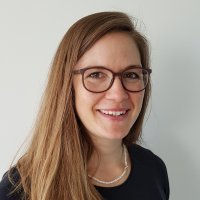 Olivia Zehnder-WyssDoctoral studentETH Zurich
Olivia Zehnder-Wyss
Doctoral student ETH Zurich
Session: Day 2 at 11:00 - Session 4: Innovative Fermentation Technologies for Plant-Based Foods
Pitch Title: From Soaking to Fermentation: Soluble Fiber and β-Glucan Changes in Oat and Faba Bean Foods
Biography: Olivia Zehnder-Wyss is a PhD student in the group of Prof. Laura Nyström at ETH Zurich. Within the HealthFerm project, she studies how processing and fermentation reshape dietary fiber in oat and faba bean foods such as tempeh, fermented (yo)gurt and oat okara. She combines dietary-fiber fractionation (RINTDF) with size-exclusion chromatography to follow the content, extractability and molecular weight of soluble fibers across these matrices.
 Anda Penka CEO and Co-founderFermentful
Anda Penka
CEO and Co-founder Fermentful
Biography: Anda Penka is the founder of Fermentful, a Latvia-based company producing fermented, plant-based kefir drinks that support gut health in a delicious and sustainable way. By unlocking the power of green buckwheat through science-backed fermentation technology, Fermentful creates smooth, creamy, nutrient-dense kefir drinks with no additives.
Fermentful has been recognised as one of the leading innovations in the plant-based dairy category. Driven by her passion for food as medicine, Anda founded Fermentful to bring healthy, delicious and planet-friendly products to market. Today, Fermentful products are available at REWE Group stores in Austria, Rimi across the Baltics and Kesko in Finland, with the company continuing to expand through partnerships with leading retailers across Europe.
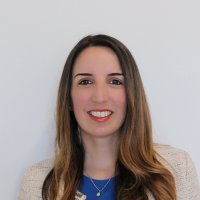 Ruth Roldan TorresScientific Officer
Ruth Roldan Torres
Scientific Officer
Panellist at Closing Panel on Day 2 at 16:30: From Research on Traditional Fermentation to Market-Ready Innovations: Needs & Bottlenecks
Biography: Food Scientist and Nutrition Specialist with expertise in human nutrition, food science, and risk assessment. She holds degrees in Human Nutrition and Dietetics and Food Science and Technology, alongside postgraduate training in Risk Assessment and Toxicology, Applied Human Nutrition, and Human Microbiota from leading European universities. She works in food safety and scientific risk assessment, focusing on novel foods, nutrition, and emerging food technologies. Her activities include the evaluation of scientific evidence and collaboration with experts and stakeholders to support evidence-based decisions and the safe introduction of innovative foods to the European market.
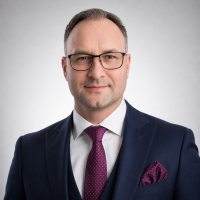 Dr Adam M. AdamekCEO and Co-FounderImpact Brussels
Dr Adam M. Adamek
CEO and Co-Founder Impact Brussels
Moderator at Closing Panel on Day 2 at 16:30: From Research on Traditional Fermentation to Market-Ready Innovations: Needs & Bottlenecks
Biography: Dr Adam M. Adamek is a food and biotechnology innovation executive, scientist and entrepreneur with more than 25 years of experience translating science into products, ventures and commercial impact.
His career spans academia, global companies including Danone, Mondelēz and Mars, and the European innovation ecosystem through senior leadership at EIT Food. His work focuses on food biotechnology, commercial R&D, consumer-centred innovation and science-to-market strategy.
Adam advises startups, researchers and industry teams on turning emerging technologies into scalable, investable and market-relevant propositions. He is the founder of FoodEdge and Impact Brussels and the author of more than 50 scientific publications and several books.